Converting Biomass Waste into Sustainable Energy
The increasing amount of agricultural biomass, forestry residues, wood waste, and municipal solid waste is becoming a major environmental challenge. Much of this waste is still disposed of on land or burned inefficiently in loose form, resulting in air pollution, land pollution, and the loss of valuable energy resources.
Why waste it when you can convert it into fuel?
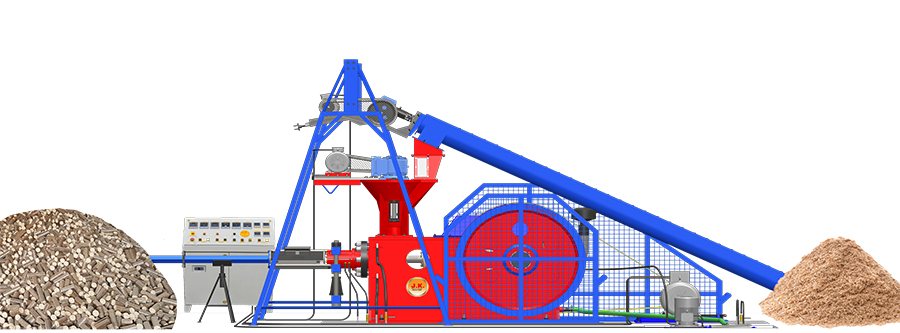
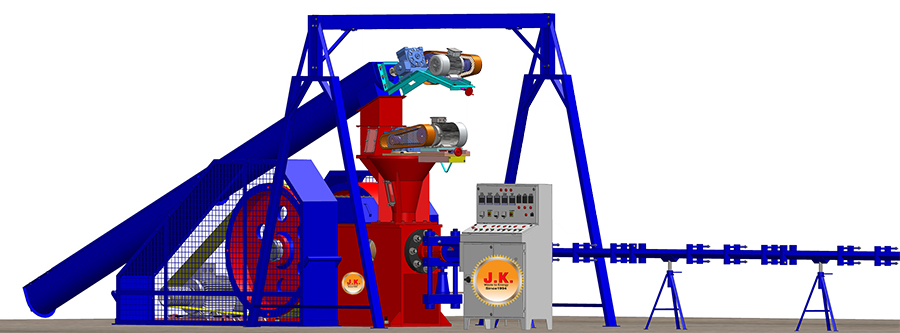
Waste-to-Energy through biomass briquetting provides an efficient and sustainable solution. Various types of biomass waste can be processed into high-quality fuel briquettes without the need for chemical binders or additives. Using a modern briquetting press machine, agricultural, forestry, and other suitable biomass residues can be converted into compact fuel briquettes, commonly known as biomass briquettes or bio-coal.
What is Waste to Energy?
Waste-to-Energy is the process of converting waste materials into useful energy or fuel. In biomass briquetting, waste materials are collected, processed, dried, and compressed under high pressure to produce dense and easy-to-handle fuel briquettes.
Biomass Briquettes – A Cleaner Alternative Fuel
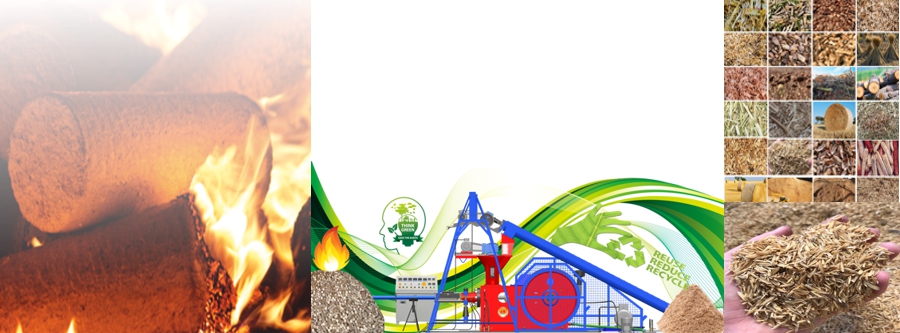
Biomass briquettes are a sustainable alternative to coal, lignite, firewood, and other conventional fuels. Made from agricultural residues, forestry waste, sawdust, and wood waste, briquettes offer higher density, easy handling, better storage, and consistent combustion. With typically 2–10% ash content, depending on the raw material, biomass briquettes can provide a cleaner and efficient fuel option for various industrial applications.
From Waste to Energy
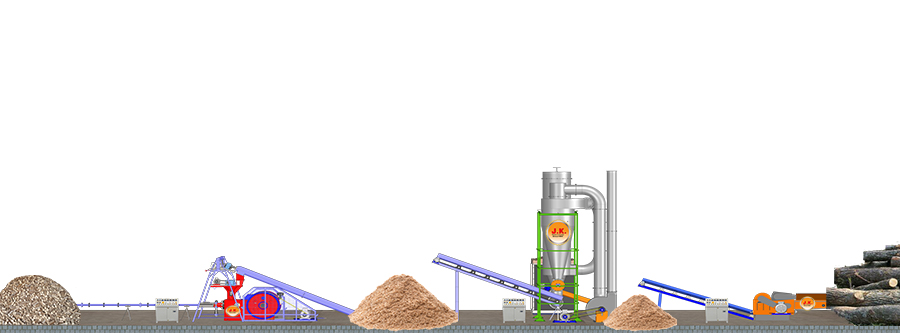
Biomass Waste → Processing → Drying → Briquetting → Biomass Fuel → Energy
A briquetting plant transforms low-value biomass waste into a dense, transportable, and valuable renewable fuel, helping reduce waste while supporting sustainable energy production.